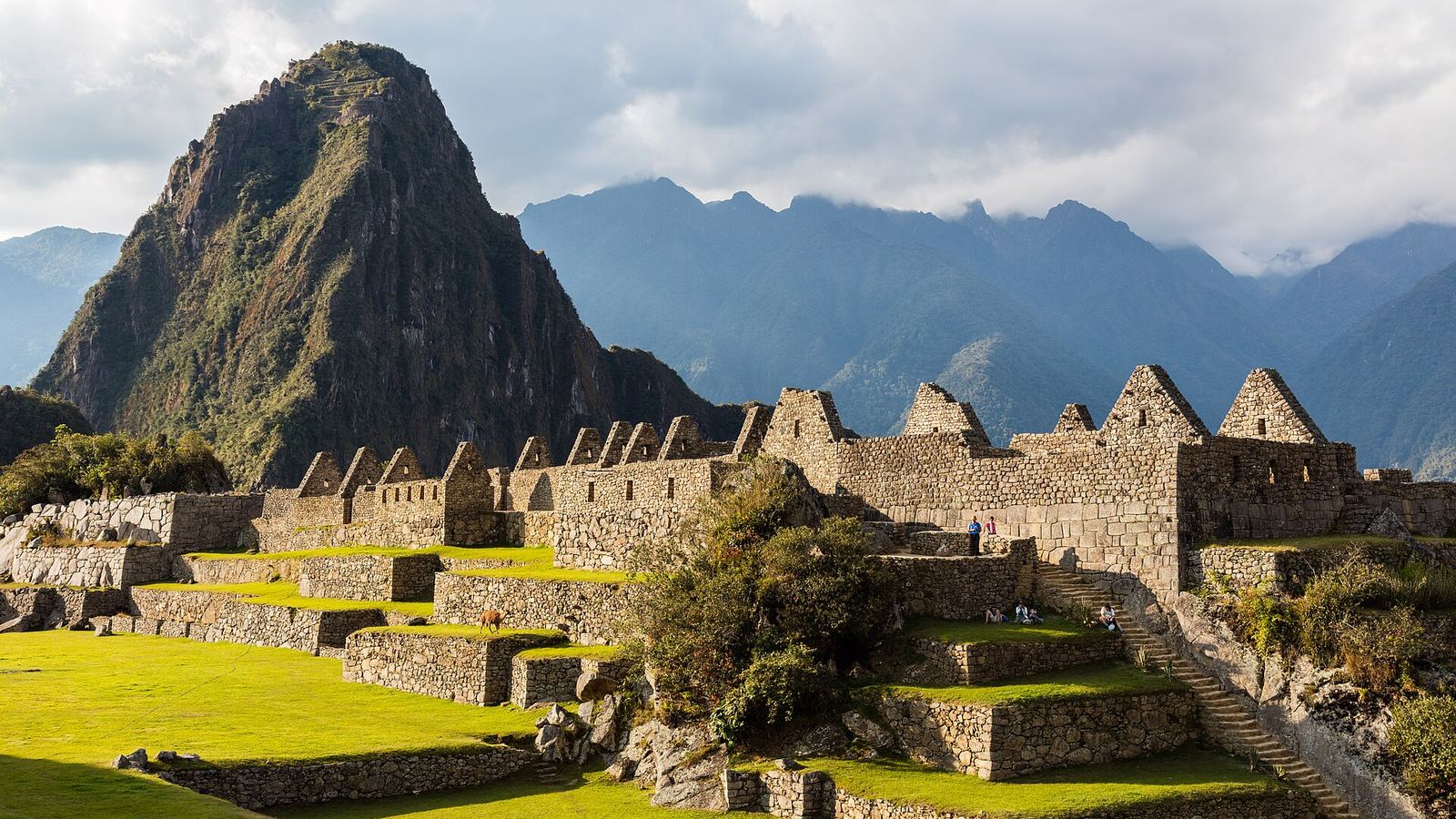
Claro is the local SIM that matters most in Peru, because as the market leader it holds the widest coverage across the coast, the cities, and the highland routes toward Cusco, with prepaid data bundles from about 20 soles (roughly 5 USD) for 4 GB and 30 soles for 10.5 GB. Movistar is the carrier trekkers rate highest on the Machu Picchu and Inca Trail corridor, Entel is fine in Lima but thin in the mountains, and Bitel is the cheap rural specialist. The catch in 2026 is registration: Peru now leans on Peruvian ID and biometrics, so a foreign passport no longer reliably activates a chip at a normal store. That makes a travel eSIM more appealing than ever, see our Peru eSIM guide to compare, or let the eSIM Finder match you to a plan.
What This Guide Covers
Jump to the section most relevant to you
How Peru's Four Networks Actually Differ
Peru runs on four operators: Claro, Movistar (the former Telefonica network, sold to a new owner in 2025), Entel, and Bitel, owned by Vietnam's Viettel. They all advertise nationwide 4G and 5G in the cities, but the difference that decides a Peru trip is who reaches the mountains, and that gap widens the higher you climb.
Claro leads the market at roughly 30 percent of subscribers and posts the strongest all-round coverage, topping the regulator's regional signal tests more often than any rival and holding up well along the highways and much of the rural Andes. Movistar is the second-largest network and the one trekkers most often praise for the Machu Picchu and Inca Trail routes, where its towers stretch a little further. Entel is a capable mid-tier carrier, quick in Lima and the big towns but noticeably thinner in the deep highlands. Bitel is the surprise package: its single-tower LTE sites, many backhauled over satellite, occasionally deliver a signal in remote villages where everyone else shows nothing, and its plans are the cheapest of the four.
Peru Tightened SIM Registration in 2026
This is the big change since last year. Peru's regulator moved to curb fraud by requiring prepaid lines to be tied to Peruvian identity and biometric verification, so a foreign passport on its own no longer reliably registers a chip at an ordinary Claro or Movistar shop. Tourist-oriented sellers such as the PeruSIM stand at Lima airport still process passports, but at higher prices. If you want a local SIM, plan on a tourist counter rather than a neighborhood store, or skip the issue with a travel eSIM.
Claro
Claro: The Market Leader with the Widest Reach
The network with the broadest footprint across the coast, cities, and highland routes
Claro is the default recommendation for a trip that runs beyond Lima, because it is the network you are most likely to find holding a signal on the road to Cusco, around the Sacred Valley towns, and in Aguas Calientes below Machu Picchu. Prepaid value is good: 4 GB with bundled minutes and WhatsApp runs about 20 soles, a generous 10.5 GB pack around 30 soles, and 13.5 GB near 40 soles, all far below the airport tourist markup.
You can top up almost anywhere, with recarga credit sold at kiosks, pharmacies, and supermarkets across the country, which keeps you going on a longer highland loop without hunting for a carrier shop. The one hurdle is the 2026 registration tightening: for a passport activation your safest bet is the tourist-facing PeruSIM counter at Jorge Chavez rather than a neighborhood Claro store.
Strengths
Weaknesses
Movistar
Movistar: The Trekker's Pick for the Machu Picchu Corridor
The old Telefonica network, rated highest by many hikers for the Inca Trail route
Movistar is the second-largest network by lines and the one seasoned trekkers keep naming when the conversation turns to the Inca Trail, Aguas Calientes, and the ridges around Machu Picchu, where its coverage reaches marginally further than the alternatives. For a trip weighted toward the Cusco region and its treks, it is a strong local choice, and pricing sits in the same band as Claro. The one caveat is that it went through an ownership change in 2025, so service and store presence can vary by region as the new operator settles in. As with every carrier here, passport registration now favors a tourist-facing counter over a regular neighborhood shop.
Strengths
Weaknesses
Entel and Bitel
Entel: The Solid City Carrier
Quick in Lima and the big towns, thinner once you climb into the Andes
Entel is a perfectly capable mid-tier network for a Lima-centered or coastal trip, with competitive prepaid data prices and solid city speeds. It is worth knowing that Entel is the network the Nomad travel eSIM rides, which is fine if your itinerary stays urban but the weakest fit of the four once you head for Cusco and the mountains. For a mountain-heavy trip, Claro or Movistar is the safer local card.
Bitel: The Cheap Rural Specialist
Viettel-owned, with satellite-fed rural towers and the lowest prices
Bitel, run by Vietnam's Viettel, undercuts everyone on price and has built out remote districts with satellite-backhauled towers, so it can hold a signal in a village where the majors show nothing. That said, its footprint on the main tourist routes is less consistent than Claro's, and a foreign traveler is usually better served by Claro's breadth or Movistar's trekking edge. Bitel is a smart budget backup rather than a primary card for a two-week Lima-to-Cusco trip.
Peru SIM Plans Compared
| Carrier | Sample Plan | Price | Coverage | Best For |
|---|---|---|---|---|
| Claro | 10.5 GB + unlimited minutes | ~30 soles (~8 USD) | Widest overall, strong on the Cusco route | All-round trips beyond Lima |
| Claro | 4 GB + 500 min + WhatsApp | ~20 soles (~5 USD) | Widest overall | Light users on the main route |
| Movistar | Prepaid data bundle, a few GB | ~20-40 soles | Edge on the Machu Picchu corridor | Inca Trail and Cusco treks |
| Entel | Prepaid data bundle, a few GB | ~20-35 soles | Good in cities, thin in the Andes | Lima and coastal trips |
| Bitel | 2.5 GB + calls + social, 15 days | ~15 soles (~4 USD) | Cheap, patchy on tourist routes | Budget backup in remote areas |
Soles prices above reflect typical 2026 city-store rates; the exchange rate hovers near 3.7 to 3.8 soles per US dollar. The PeruSIM tourist stand at Lima airport charges well above these figures, in the region of 32 USD for a 15 GB tourist pack, so treat this table as your reference before you pay a counter markup.
Where to Buy a SIM in Peru
The PeruSIM Stand at Lima Airport (Easiest for Tourists)
PeruSIM, a tourist MVNO that runs on the Claro network, has a counter on the first floor of the new Jorge Chavez terminal and registers foreign passports, which regular carrier stores increasingly will not. You pay a markup over city prices, but it is the most reliable on-arrival option under the 2026 registration rules.
Official Claro and Movistar Shops in the Cities
Flagship carrier stores in Lima, Miraflores, and Cusco sell prepaid plans at the listed soles prices, but ask first whether they can register a foreign passport, since many now require Peruvian ID. Larger tourist-district branches are your best bet for a passport activation.
Malls, Kiosks, and Pharmacies for Top-Ups
Once your line is active, adding credit is easy: buy a recarga at a kiosk, pharmacy, or supermarket like Wong or Tottus and load it with a short code. This is far simpler than the initial registration and works across the country, including smaller Sacred Valley towns.
Test the Data Before You Walk Off
Whichever counter you use, slot the chip in and load a map or website before leaving. Confirm the plan size and validity match what you paid, and keep the receipt. A minute of checking saves a wasted afternoon backtracking to a shop that is already closed.
eSIM or Local SIM for Peru?
| Factor | Travel eSIM | Local SIM |
|---|---|---|
| Setup time | A few minutes, done before your flight | 15 to 30 minutes at a counter, if it accepts a passport |
| 2026 registration | None, no ID rules apply | Passport now often refused outside tourist counters |
| Network | Claro or Claro plus Movistar on the best plans | Pick Claro for reach or Movistar for the trek corridor |
| Price (week of data) | ~8 to 15 USD (Airalo, Nomad, Holafly) | ~5 to 11 USD in the city, ~32 USD at the airport stand |
| Best for | Most travelers on the Lima-Cusco circuit | Long stays or anyone who needs a Peruvian number |
For a standard trip through Lima, Cusco, the Sacred Valley, and Machu Picchu, a travel eSIM is now the easier choice by a wider margin than it used to be: it installs before you fly, connects on arrival, and completely sidesteps the tightened passport-registration rules that trip up travelers at ordinary carrier stores. A local SIM still makes sense for a long stay, for anyone who wants a Peruvian number, or for a budget traveler happy to queue at the PeruSIM counter. Some careful travelers run both, an eSIM as the daily driver and a cheap Bitel or Claro SIM as backup for a remote leg.
Peru Connectivity Tips
Practical Advice for Staying Online in Peru
Download offline maps before every trek: The Inca Trail, Salkantay, Rainbow Mountain, and Humantay Lake all run through long dead zones. Save offline maps in Cusco while you still have signal, because no carrier or eSIM reaches the high passes.
Lean on Claro or Movistar in the mountains: These two have the deepest highland reach, so if you buy a local chip for a Cusco-region trip, choose one of them over Entel or Bitel.
Expect passport hurdles at regular stores: Under the 2026 rules, a neighborhood carrier shop may refuse a foreign passport. Use the PeruSIM airport counter for a local chip, or skip it with an eSIM.
Hotel and hostel WiFi carries the load: Almost every place to stay, plus cafes and restaurants in Lima and Cusco, offers free WiFi, so your mobile data mostly handles maps, ride apps, and messaging on the move.
Watch the soles-to-dollar math: Plans are priced in soles at roughly 3.7 to 3.8 per dollar, so a 30-sol Claro pack is about 8 USD, a fraction of the airport tourist markup.
Frequently Asked Questions
Can I still register a Peruvian SIM with just my passport in 2026?
Not reliably at a normal store. Peru tightened prepaid registration in late 2025 to lean on Peruvian ID and biometric verification, so many neighborhood Claro and Movistar shops now refuse a foreign passport on its own. The workaround is a tourist-focused seller like the PeruSIM stand at Lima airport, which still registers passports at a markup. A travel eSIM avoids the registration question entirely, which is why more visitors now skip the local chip.
Which Peruvian network is best for Cusco, the Sacred Valley, and Machu Picchu?
Claro has the widest overall reach and is the safest single card for the whole Cusco region, while many trekkers rate Movistar a touch better specifically on the Inca Trail and around Aguas Calientes. Entel is fine in the cities but thinner in the highlands, and Bitel is cheap but patchy on tourist routes. For a mountain-heavy trip, choose Claro or Movistar, or a dual-network eSIM that uses both.
How much does a tourist SIM with data cost in soles?
The chip itself is about 10 soles on Claro, Movistar, or Entel and around 20 soles on Bitel. Then you add a plan: Claro offers 4 GB with minutes and WhatsApp for about 20 soles, 10.5 GB for around 30 soles, and 13.5 GB near 40 soles, while Bitel runs cheaper at roughly 15 soles for 2.5 GB. Airport tourist packs cost far more, in the region of 32 USD for 15 GB.
Is buying a SIM at Lima airport worth it?
It is the most convenient on-arrival option now that regular stores often refuse passports, since the PeruSIM stand on the first floor of the new terminal registers foreign passports and runs on the Claro network. The trade-off is price: you pay a clear markup over city rates, roughly double or more for the same data. If you value time and certainty on landing it can be worth it, but an eSIM installed before you fly is cheaper and skips the counter.
Should I get a local SIM or an eSIM for a two-week Peru trip?
For a typical Lima, Cusco, Sacred Valley, and Machu Picchu loop, an eSIM is now the easier pick: it installs before you fly, connects on arrival, and sidesteps the 2026 passport-registration rules that snag travelers at ordinary stores. A local Claro or Movistar SIM still suits a long stay or anyone who needs a Peruvian phone number, and some travelers carry both, an eSIM as the main line plus a cheap local chip for a remote leg.