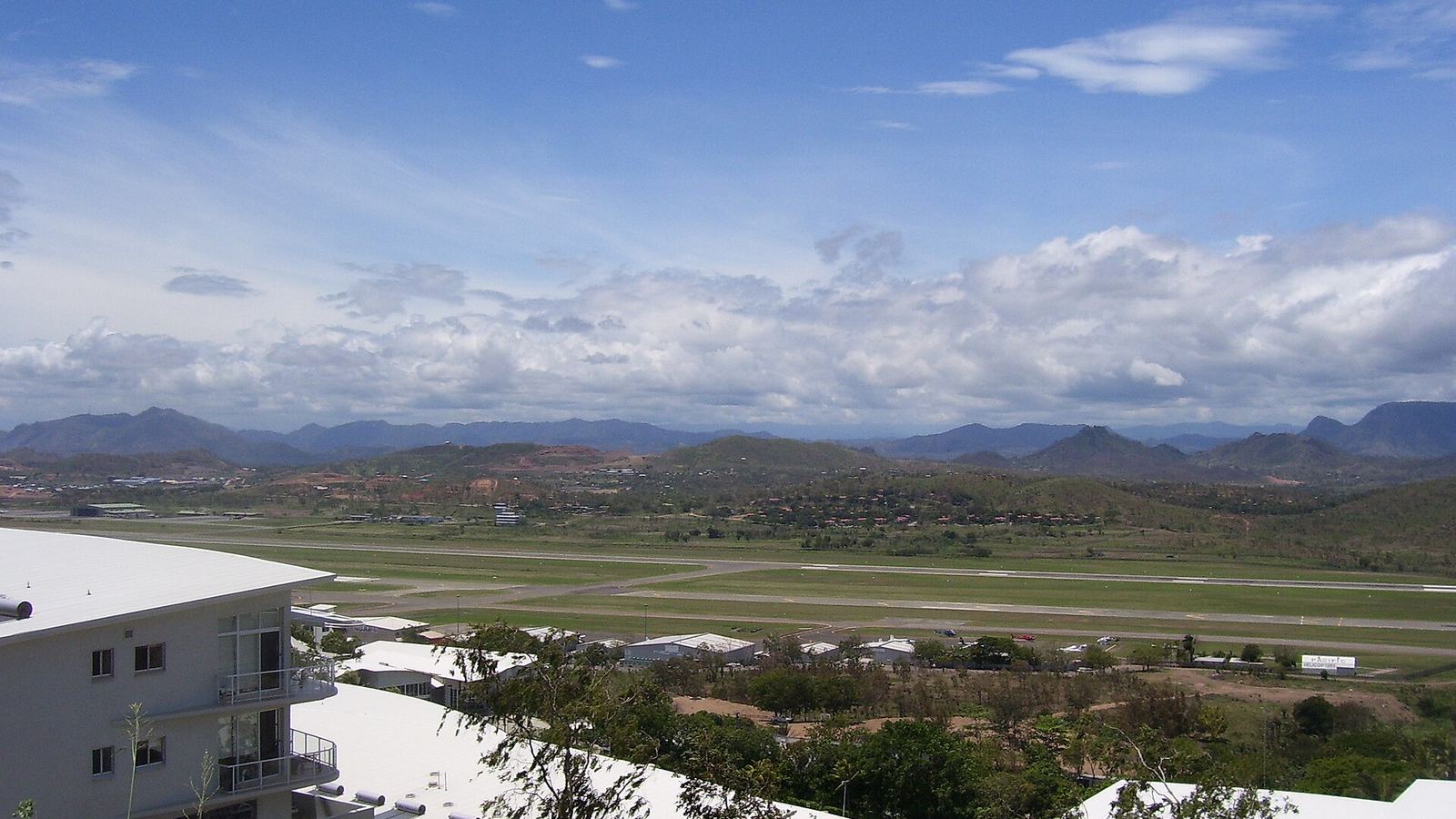
Jacksons is a small international airport with one significant connectivity quirk: buying a local SIM here is cheaper than any travel eSIM, and also the option most likely to be unavailable when you actually need it. The Digicel kiosk in international arrivals keeps ordinary retail hours rather than flight hours, registration against your passport takes fifteen to thirty minutes, and a good many arrivals into Port Moresby land in the evening. Meanwhile the person meeting you, whether that is a hotel driver or a colleague, is waiting on the other side of the doors, and this is not a city where the sensible move is to send them away while you queue. So the honest position for POM is a split one: arrive with a Digicel-based eSIM already working, and buy the cheap local bundle later in the week if the length of your stay justifies it.
What This Guide Covers
Jump to the section most relevant to you
SIM and eSIM Options at Jacksons
Jacksons International Airport sits about 8 kilometres northeast of central Port Moresby, in the Six Mile area, and has two terminals: the international terminal, recently renovated, and the domestic terminal used by Air Niugini and PNG Air. The two are joined by a covered walkway, which matters if you are connecting onwards.
What is actually in the terminal
International arrivals normally has a Digicel kiosk selling prepaid SIMs and bundles, plus a restaurant and a handful of small shops. There is no bank of competing SIM vendors, no SIM vending machine, and nothing resembling the counter row you would find at a comparable Asian airport. Vodafone PNG and bmobile are not reliably represented at arrivals, so the airport is effectively a Digicel proposition or nothing. The domestic terminal has fewer facilities again.
Two things determine whether the kiosk is any use to you. The first is timing: it works retail hours, so services arriving late in the evening from Brisbane, Singapore or Manila will often find it shut, and there is no 24 hour alternative. The second is the registration itself. Papua New Guinea requires prepaid lines to be registered to an identified person under the regulator's know your customer rules, so you hand over a physical passport and wait while the form is completed. Budget half an hour rather than five minutes, and be aware that everyone in your party must register their own line in person.
If the kiosk is open, you have time, and nobody is waiting on you, it is a good buy. Otherwise, the alternative is to have a travel eSIM already running, which is why most people who fly in regularly do exactly that. The Papua New Guinea eSIM guide covers which brands ride Digicel and which do not.
The WiFi Situation Inside the Terminal
Set your expectations low here, because this is one of the ways an arrival plan quietly falls apart.
WiFi is listed among the airport's facilities and there is generally something available in the international terminal, but travellers report it as awkward to join and inconsistent once connected. There is no famous, well-publicised network name that everybody knows the way there is at Changi or Narita, no reliable captive portal in English that walks you through it, and no guarantee it will be working on the day you land.
Do not make the terminal network part of the plan
Any arrival strategy that depends on connecting to airport WiFi in order to activate a plan, download an app, or look up the address you are going to has a single point of failure at the worst possible moment. Do those things at home, on your own broadband. If the terminal network happens to work when you land, treat it as a bonus for sending a we have arrived message, not as the foundation of your connectivity.
The same logic applies to the domestic terminal if you are connecting onwards. Its facilities are thinner than the international side, and any wait there is more comfortable with your own data than with a hopeful search of the WiFi list.
Getting From POM Into Port Moresby
The city centre is roughly 8 kilometres away and about twenty minutes by road in normal traffic, which makes this one of the shorter airport transfers in the region. It is also the leg of the journey where visitors are given the most specific advice, and it comes down to one word: book.
| Option | Typical cost | Time | Notes |
|---|---|---|---|
| Hotel shuttle or hotel car | Included or a set fee | About 20 min | The standard arrangement. Most mid-range and upper-end hotels run airport transfers and want your flight number and terminal in advance. |
| Booked taxi or chauffeur | Roughly K80 to K200 | About 20 min | Arranged through your hotel or an app such as ODESH, Pikup or DiDi. Agree the fare before you set off. |
| Company or tour transfer | Arranged | About 20 min | The norm for business visitors, dive groups and trekking operators, who will meet you inside the terminal. |
| Airways Hotel | Walk or shuttle | Minutes | Adjacent to the airport, which is why so many overnight connections and early domestic departures stay there. |
| PMV public minibus | A few kina | Variable | Cheap and universally used by residents, and not recommended for arriving visitors with luggage. |
Notice what every recommended option has in common: it is arranged in advance, which means messages, confirmations and a phone number you can call if the car is not where you expected it. If the transfer falls through and you are standing outside the terminal with no data, your options narrow to borrowing a phone or accepting an unbooked ride, and neither is where you want to be twenty minutes after a long-haul flight.
Connecting to a Domestic Flight
For a large share of visitors, Port Moresby is not the destination. It is the hub you pass through on the way to Mount Hagen for the Highlands, Alotau for Milne Bay diving, Kokopo and Rabaul in East New Britain, Kavieng in New Ireland, Wewak for the Sepik, or Tufi on the fjord coast. Air Niugini and PNG Air fly those routes out of the domestic terminal, a short covered walk from international arrivals.
Give yourself real margin
Domestic schedules in Papua New Guinea move around, weather closes strips in the Highlands, and a same-day connection is tighter than the timetable suggests. Many travellers deliberately overnight in Port Moresby rather than run a short transfer.
Use the connection window to send messages
The airport is one of the best-covered spots in the country. If your destination is a lodge in the Sepik or a Highlands trekking town, treat this as the last comfortable place to confirm pickups, upload photos and let people at home know the plan.
Check what waits at the other end
Provincial towns like Mount Hagen, Wewak, Alotau, Kokopo and Kavieng have Digicel 4G in the centre. The lodge or dive resort you are heading to beyond them may have nothing but its own satellite link, shared as guest WiFi at set hours.
Make sure your plan rides Digicel
Vodafone is strong in the capital and thinner in the provinces, and bmobile thinner still. Beyond Port Moresby the network that reaches is Digicel, so check which one your eSIM uses before you board that domestic flight rather than after.
This is the single biggest difference between POM and an ordinary airport guide. Elsewhere the airport is the start of a journey through covered territory. Here it can be the last full-signal place you stand for a week.
Airport Kiosk Prices Against an eSIM
Most airport guides on this site conclude that the counter overcharges. Papua New Guinea is the exception and it deserves saying plainly: the local option is cheaper here, by a lot.
| Where | What you get | Price |
|---|---|---|
| Digicel kiosk, arrivals | Prepaid SIM plus a 10 GB weekly bundle | Around K20 to K30 all in, near $5 to $8 |
| Digicel kiosk, arrivals | Prepaid SIM plus a 30 day bundle, roughly 30 GB | Around K50 to K60, near $12 to $15 |
| Airalo eSIM | 1 GB, 3 days, on Digicel | $7.00 |
| Airalo eSIM | 3 GB, 7 days, on Digicel | $17.00 |
| Airalo eSIM | 5 GB, 30 days, on Digicel | $27.00 |
| Holafly eSIM | Unlimited, 7 days, on Digicel | About $54 |
A K50 Digicel bundle buys around six times the data of the $27 Airalo plan for less than half the money. If the kiosk is open, you have a spare half hour, your passport is to hand and nobody is waiting on you, buying locally is straightforwardly the better deal and you should do it.
So what are you paying the eSIM premium for?
Certainty and time, not gigabytes. The eSIM works if you land at 9pm and the kiosk is closed, if the queue is long, if your driver is already outside, or if you have a domestic connection to make. It also spares you registering a local line against your passport for a two-night stay. For a long visit, the sensible sequence is both: land on the eSIM, add the local bundle when it suits you. The full kina breakdown is in the Papua New Guinea SIM card guide, and the eSIM Finder will size a travel plan against your itinerary.
Why Arriving Connected Matters More Here
In a lot of destinations, landing without data is a mild inconvenience you fix at the first cafe. At Jacksons the calculation is different, because of what happens in the first thirty minutes outside the terminal.
Landing with a working plan
Arriving with nothing and sorting it here
The middle path most regular visitors take is simple. Buy a Digicel-based travel eSIM before you fly and switch it on once you are on the ground, take your transfer into town, and then decide during the week whether the local bundle is worth the errand. That way you are never the person outside a terminal at dusk in a strange city with a phone that cannot do anything. What that transfer looks like, and how coverage behaves across the capital, is covered in the Port Moresby city guide, and the Holafly review explains when unlimited data is worth the premium in a market like this one.
Frequently Asked Questions
Is there somewhere to buy a local SIM in the arrivals hall at POM?
Usually yes. Digicel normally runs a kiosk in the international arrivals area and it sells prepaid SIMs along with data bundles, which is the cheapest data you will find anywhere in the country. What it does not do is stay open for every flight: it works ordinary retail hours, so evening arrivals often find it closed, and there is no vending machine or 24 hour alternative to fall back on. Vodafone and bmobile do not have a dependable presence at arrivals.
How long does the SIM registration take at the airport?
Plan for fifteen to thirty minutes, not five. Papua New Guinea requires prepaid lines to be registered to an identified individual, so you hand over a physical passport and wait while the details are entered and the line activates. Everyone travelling with you has to register their own line in person, so a family or a work team multiplies the wait. If a driver is already waiting outside for you, that is the moment most people wish they had sorted a plan before boarding.
Can I count on the terminal WiFi to activate a plan when I land?
No, and it is worth being blunt about it. WiFi appears on the airport's facility list and something is often available in the international terminal, but travellers describe it as difficult to join and inconsistent when it does connect, and there is no well-known network name or reliable English portal. Any plan that depends on getting online at the terminal in order to become online has a single point of failure. Set up your data at home on your own broadband instead.
Is the airport counter more expensive than buying an eSIM in advance?
The opposite, which makes Papua New Guinea unusual. A Digicel SIM plus a K50 monthly bundle comes to somewhere near twelve to fifteen US dollars for roughly 30 GB, while the cheapest 5 GB travel eSIM for the country is $27. The eSIM premium buys availability rather than data: it works at 9pm when the kiosk is shut, requires no passport paperwork, and leaves you free to walk straight out to your transfer. For a stay of two weeks or more, doing both in sequence is the cheapest sensible answer.
I have a domestic flight straight on to the Highlands. What should I do about data?
Sort it before you fly and make sure the plan runs on Digicel. Jacksons is one of the best-covered places in the country, and the provincial airports you are heading for, Mount Hagen, Wewak, Alotau, Kokopo and Kavieng among them, have Digicel 4G in town and very little beyond it. Use your connection window at the domestic terminal to confirm pickups and message home, because the lodge at the other end may only have a satellite link shared out as guest WiFi for a few hours in the evening.